By Andrew Stafford
•
March 11, 2026
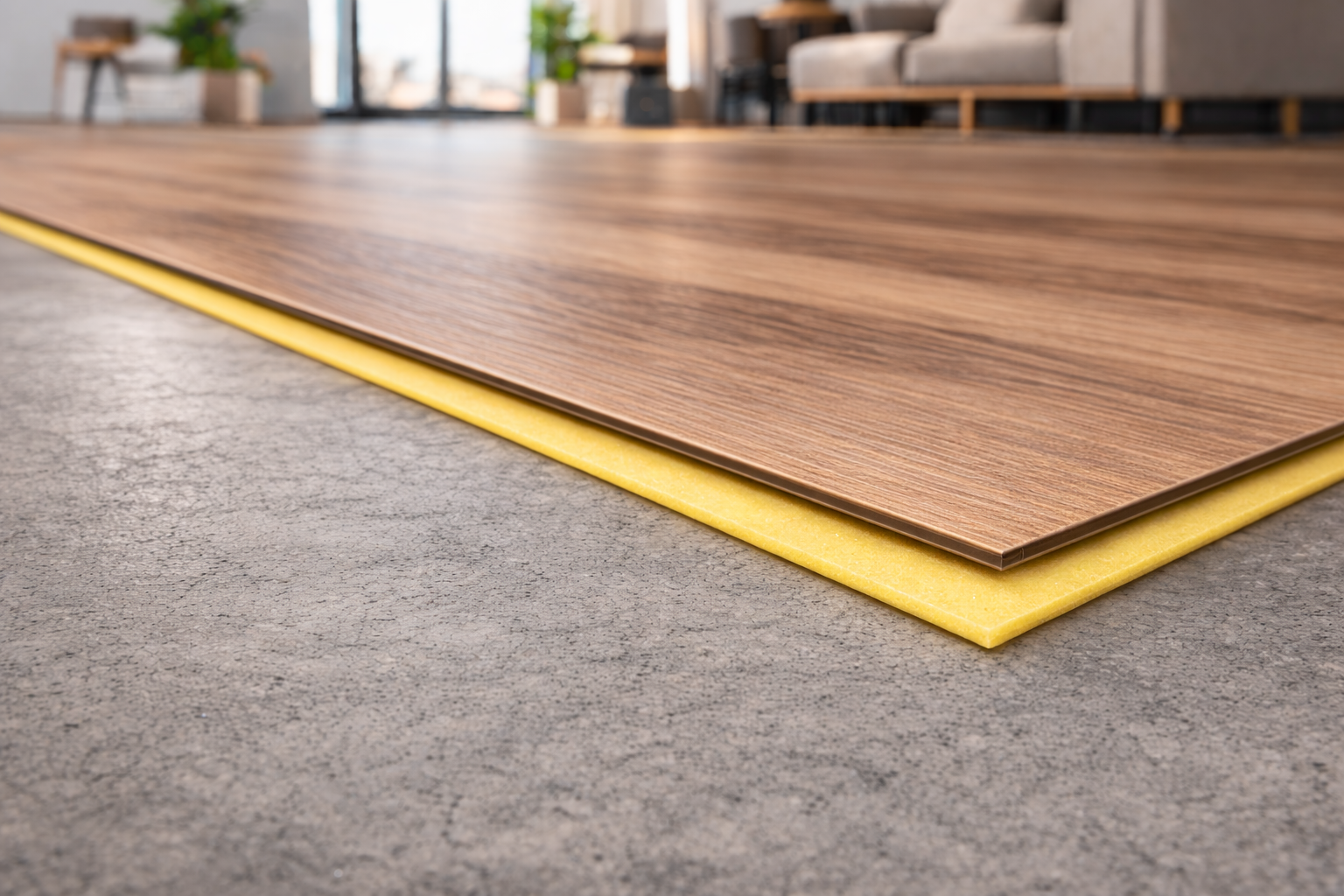
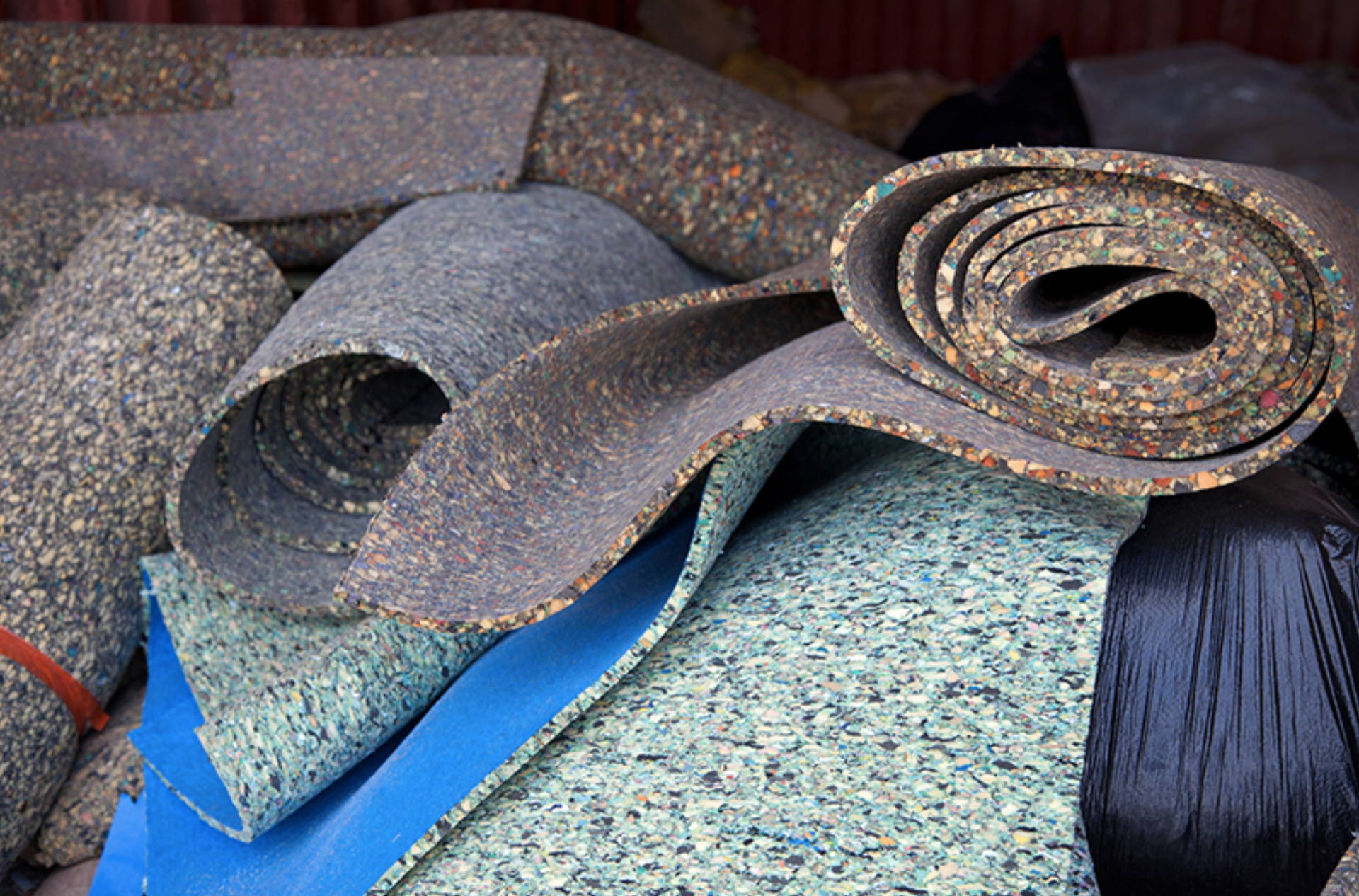
Walk into almost any modern apartment building, condominium, or commercial space and you’ll likely find hard surface flooring. Luxury vinyl plank, laminate, and engineered wood have become the preferred choice for builders thanks to their durability, appearance, and ease of maintenance. But there’s a hidden challenge that often comes with these floors: noise transmission. Without the right underlayment beneath the floor, footsteps, dropped objects, and everyday activity can travel directly through the structure of a building. In multifamily housing, that often means the residents below hear everything happening upstairs. For developers and property managers, this can quickly become a major problem. The Growing Noise Problem in Multifamily Construction In single-family homes, noise between floors is usually less of a concern. In multifamily buildings, however, dozens or even hundreds of residents may be living above or below one another. Hard surface flooring makes this issue even more noticeable. Unlike carpet, which naturally absorbs impact sound, hard flooring transfers energy directly into the subfloor and structure. Every step creates vibration, and that vibration travels through the building. Many multifamily buildings, HOAs, and local building codes now require minimum impact sound performance levels, often measured using an Impact Insulation Class (IIC) rating. These requirements are designed to limit the amount of impact noise—such as footsteps, dropped objects, or furniture movement—that transfers between floors. That’s why most architects and builders rely on acoustic underlayment as part of the flooring system. Installed between the subfloor and finished flooring, underlayment creates a resilient layer that helps absorb impact energy and reduce sound transfer between units. In many multifamily and commercial applications, underlayment is not just recommended, it’s essential for meeting sound control expectations. Not All Underlayment Is the Same While underlayment plays a critical role in flooring performance, the type of material used can make a significant difference. Many underlayments on the market today are made from lightweight PE or IXPE foams. While these materials may offer initial cushioning, they often compress under load and lose acoustic performance over time. In high-traffic environments like apartments, hotels, and commercial buildings, this can lead to: Reduced acoustic performance Premature wear on flooring systems Loss of support beneath floating floors Once underlayment compresses and loses its resilience, the flooring above it loses the protection it was designed to provide. Why High-Density Polyurethane Foam Performs Better High-density polyurethane foam underlayment offers a more durable solution for demanding flooring environments. Unlike lightweight foams, polyurethane foam has a stronger cellular structure that allows it to maintain its resilience under repeated loads. This helps it continue absorbing impact energy and supporting the flooring system over time. Polyurethane foam acoustical underlayments can be used in floating floors, glue-down installations, and applications over both concrete and wood subfloors. For multifamily and commercial flooring installations, this provides several important advantages: Better impact sound reduction between floors Long-term compression resistance Improved support for floating floor systems Greater durability in high-traffic environments Compared with other materials sometimes used in underlayments—such as felt, cork, or rubber—high-density polyurethane foam offers a balanced combination of resilience, acoustic performance, and long-term durability, making it particularly well suited for demanding multifamily and commercial flooring applications. Verified Acoustic Performance and Sustainability For multifamily and commercial projects, flooring systems must meet strict acoustic and environmental performance standards. Healthier Choice underlayments are independently tested to deliver reliable sound control across a variety of flooring systems and building assemblies. Impact sound performance is measured using Impact Insulation Class IIC and Delta IIC, which quantify how effectively a flooring system reduces noise such as footsteps or dropped objects between floors. Typical acoustic performance includes: Omni Choice Universal Underlayment IIC 73 — Luxury Vinyl Tile & Plank (6" Concrete Slab with Suspended Gypsum Ceiling Assembly) IIC 71 — Laminate, Engineered Wood & Solid Hardwood (6" Concrete Slab with Suspended Gypsum Ceiling Assembly) IIC 51 — Ceramic & Stone (Gypsum Concrete Floor System with Resilient Channel Gypsum Ceiling Assembly) Delta IIC 22 — Luxury Vinyl Tile & Plank (6" Reinforced Concrete Slab Floor Assembly) Sound Solution Underlayment IIC 73 — Laminate Flooring (6" Concrete Slab with Suspended Gypsum Ceiling Assembly) Delta IIC 21 — Laminate Flooring (6" Concrete Slab Floor Assembly) Acoustic performance values based on laboratory testing conducted in accordance with ASTM E2179 (ΔIIC) and ASTM E492 / ASTM E989 (IIC). Acoustical test reports and supporting floor-ceiling assembly documentation are available on our website under Underlayment → Omni Choice or Sound Solution → Acoustical Test Results. Environmental Certifications and Sustainability GREENGUARD Gold Certified 100% Post-Consumer Recyclable Supports LEED v4 Credit EQ 4.3 (Low-Emitting Materials – Flooring Systems) Supports LEED v4 Credit MR 5.1 and MR 5.2 (Regional Materials) These certifications make Healthier Choice underlayments well suited for multifamily, hospitality, and commercial projects where acoustic comfort and environmental performance are both priorities. Engineered for Performance, Backed by Decades of Manufacturing With over 30 years of manufacturing experience, Healthier Choice Carpet Cushion and Underlayment is committed to delivering some of the highest quality underlayment solutions in the industry. Proudly made in America, our products are engineered using high-density polyurethane foam and designed specifically to support modern hard surface flooring in multifamily and commercial environments. Healthier Choice works directly with architects, developers, contractors, and flooring distributors to support multifamily and commercial flooring projects across the country. If you have a project requiring acoustic performance, IIC compliance, or long-term flooring system durability, our team can assist with product selection, specifications, and project quotes. Written by Adam Poteet